Think about Israel’s remarkably successful high-tech sector and you’re likely to turn your attention to Silicon Wadi near Haifa or the business district located in and around Tel Aviv.

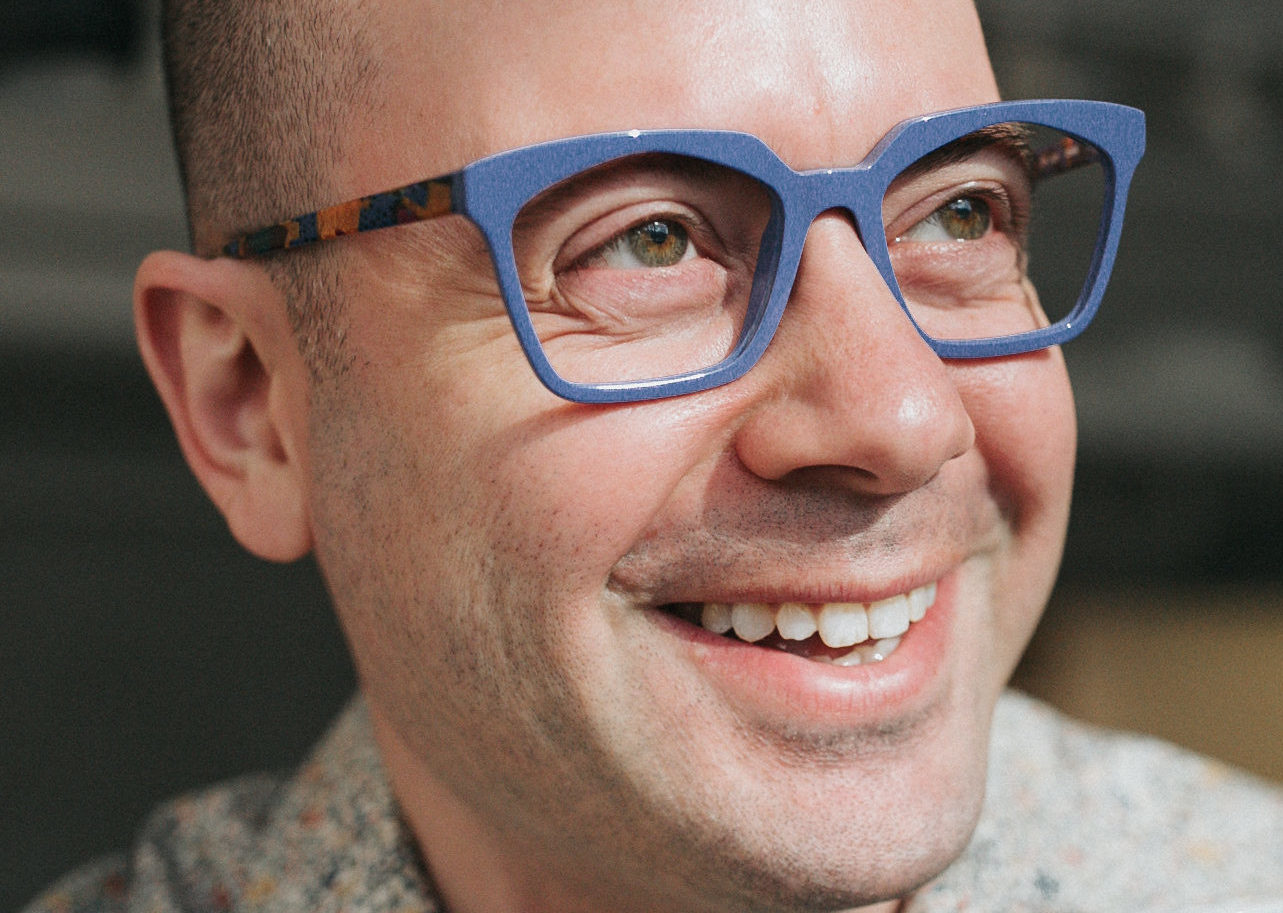
Oasis in the Negev. Partners, from left, Lior Berger, Ronen Gadot and Gideon Soesman see the desert’s potential. | Likewise, if you consider the Jewish state’s corporate headquarters, its capital markets, even where its many engineering graduates are employed, you’re probably going to think about the country’s densely populated coastal plain.
Three Israeli entrepreneurs believe other parts of the country hold untapped potential to support new businesses – in particular, the sparsely populated Negev, with its wide open spaces and unique resources that are largely undeveloped.
Gideon Soesman, Ronen Gadot and Lior Berger are the principals behind Oasis Investment Fund, a venture capital outfit that is planning to invest in Negev-based businesses.
Soesman and Gadot were in Toronto last week to meet with well-to-do members of the Jewish community and entice them to invest in Oasis. Their pitch is simple. Not only can an investment help in the development of Israel’s depressed southern reaches, but picking the right Negev firm can earn a solid return on capital, Soesman explained.
Oasis is soliciting investors in Toronto, Chicago and back in Israel to contribute towards the fund’s pool of $30 million (US). As a venture capital fund, Oasis will, in turn, invest those funds in 10 to 15 early-stage companies that are developing new and exciting ways of turning the Negev’s resources into commercially viable products. Oasis will provide capital and the three principals’ management skills and bring the southern startups to the point where their products show enough potential to warrant bids from larger corporations.
Soesman, who immigrated to Israel from Holland after high school, said Oasis is pioneering the idea of “social investing” in Israel.
That’s a new concept for Israelis, but has become common in the rest of the world, said Gadot, a native of the desert town of Arad. It combines social investment and development with profit-making and as such, goes beyond charitable giving.
“We chose the Negev because if we can develop it, it will make a big impact on the State of Israel,” Soesman added.
Israel has recorded annual economic growth of seven to eight per cent in recent years, but most of that is concentrated in the greater Tel Aviv area. The Negev is one of the more underdeveloped regions of Israel, though it accounts for 66 per cent of the land mass and eight per cent of the population (600,000).
Nevertheless, exciting and potentially profitable work is being done in the area, especially in the development of solar energy, water usage, smart desert agriculture, as well as traditional industries (fish farms), tourism and even real estate development, he said.
The Negev’s wide open spaces and relentless sunshine are perfect for developing solar energy, said Soesman, who worked for the Dutch multinational Philips in a number of areas. The Negev’s Ben Gurion University and its Sde Boker campus produce many highly skilled engineers. With the right projects, many will remain to work on “developing the next generation of solar energy,” he said.
UJA Federation of Greater Toronto already co-operates with the regional council of Eilot, north of Eilat, to support a research centre and incubator for the development of solar energy. Oasis can work in conjunction with both partners to commercialize the research, Soesman said.
Another potential area for investment is in developing an existing industry of algae growth, Gadot stated. The algae are raised as fish food in the area’s fish farms but they also possess important anti-oxidant properties that could make inroads in the nutraceutical market (foods with a medicinal effect), he added.
In their two-day visit to Toronto, Soesman and Gadot said they were pleasantly surprised at the willingness of local Jews to invest in the Negev. They left with capital commitments from some investors, saying they are well on their way towards their goal of raising $2 million here.
“We are looking for anchor investors, prominent people who will bring their friends along,” said Gadot, a former F-16 pilot who met Soesman while working for Philips.
Soesman believes Toronto’s Jews have shown strong philanthropic support for Israel and were familiar with the concept of social investing.
“We say, instead of giving it, invest it and get a return,” he said.
|