WINNIPEG — The family of an 84-year-old Orthodox Jew who is on life support has won the first round of a legal battle against doctors who tried to pull the plug on him some 21/2 months ago.
In a Feb. 13 decision, Justice Perry Schulman of the Court of Queen’s
Bench granted an interim injunction that prevents doctors at Winnipeg’s
Grace Hospital from removing Samuel Golubchuk’s life support, a move
that would have hastened his death and thus violated his family’s
wishes and religious beliefs.
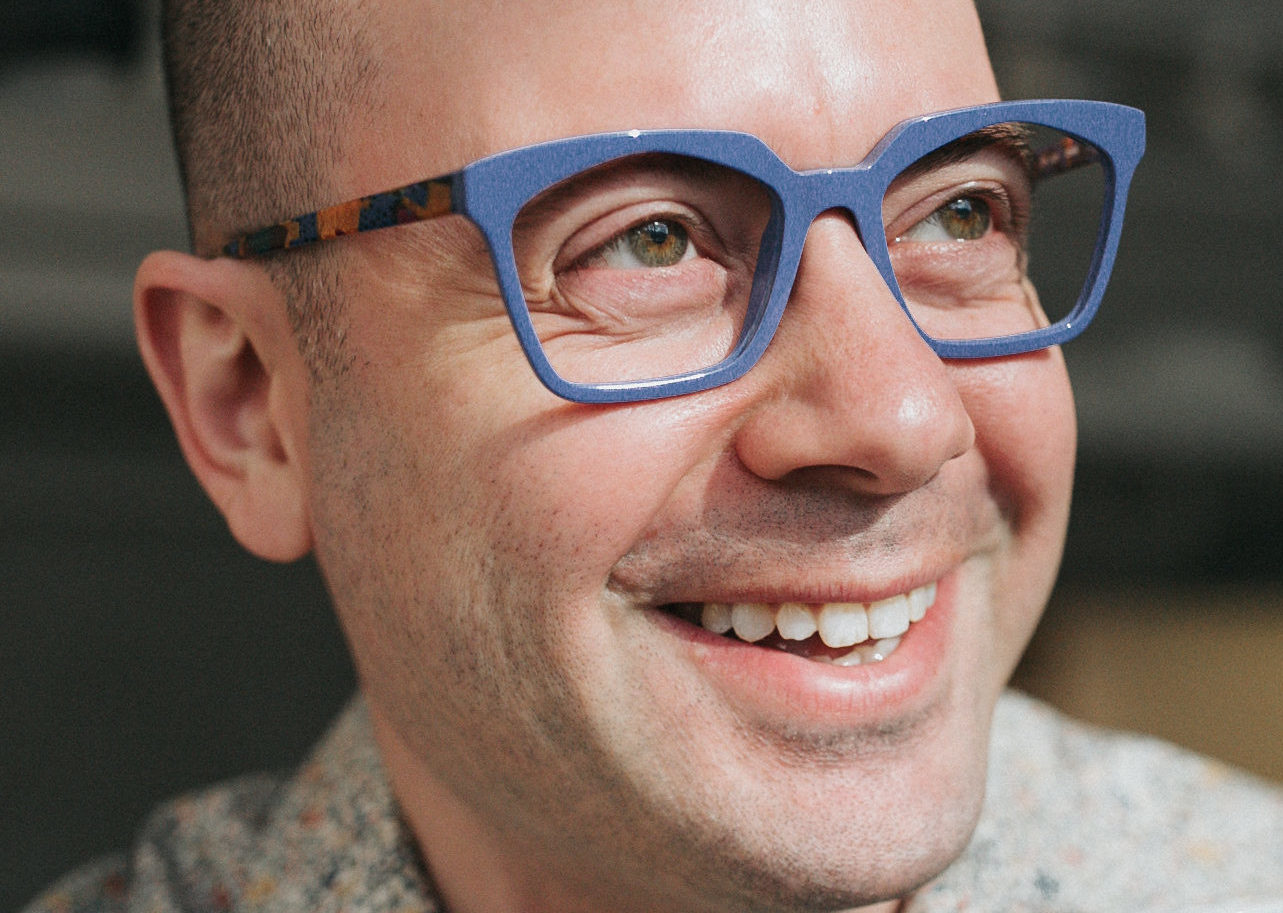
Miriam Geller and Percy Golubchuk, above, children of Samuel Golubchuk won first round of legal battle against doctors.
The injunction will remain in place until there is a full trial in the case. The family’s lawyer, Neil Kravetsky, said that “Golubchuk’s condition improved some weeks ago and since then, it is much the same. He is awake and is slowly being weaned off life support.”
In November, the hospital took the position that Golubchuk had minimal brain function and that the decision to remove him from life support ought to be made solely by treating physicians, not the courts.
However, Schulman ruled that, on the contrary, in a situation where doctors make a decision to remove a patient’s life support without the family’s consent, there is a role for the courts to play in adjudicating the factual and legal issues in dispute.
Schulman ruled that since doctors are not infallible and can on occasion make mistakes, a patient’s family has the right to seek redress through the court system. He said this is particularly appropriate when the family has not had the opportunity to get independent, third-party mediation. Schulman concluded that in this case, “there was no evidence” to suggest that mediation was available or offered to the Golubchuk family.
A trial will involve the testimony of two medical experts, Dr. Daniel Rosenblatt, a critical care physician from New Jersey, and Dr. Leon Zacharowicz, a neurologist from New York. The two disputed the position of physicians from the hospital who said Golubchuk has minimal brain function.
In the meantime, until a full trial takes place, Schulman ruled that the hospital must provide Golubchuk with antibiotics, blood transfusions and CPR in the event that such a need arises.
“He [Golubchuk] is entitled to have full medical care as required until trial,” Schulman said.
Schulman also ruled that a copy of his court order be attached to Golubchuk’s medical chart to ensure that every doctor, nurse and health care worker properly abide by it.
Responding to the ruling, Golubchuk’s son, Percy Golubchuk, told reporters, “This decision isn’t just for my dad, but for every elderly or handicapped person. It’s not just a decision for a Jewish person, but for everyone.”
He added: “Doctors don’t always know everything. God is the top doctor. Doctors are just his assistants.”
A teary-eyed Miriam Geller, Golubchuk’s daughter, said, “Our dad would be very proud of us.”
The Winnipeg Regional Health Authority (WRHA), the agency that oversees the hospital, said in a statement that it’s reviewing the case.
“We do want to say that decisions to withhold or withdraw life-sustaining treatments are never easy are not made lightly by medical experts,” the WRHA said.
Golubchuk fell in June 2003 and suffered a brain injury, but he could still understand speech and communicate. Since then, he was being cared for in a nursing home, but he went to Grace Hospital emergency ward last October suffering from pulmonary hypertension and pneumonia.
In his ruling, Schulman said that if Golubchuk’s death were to be hastened before a full trial, “no relief at trial could adequately compensate him or his family for the loss.”
He added: “If the injunction is continued, the plaintiff may, during his lifetime, be afforded an opportunity to be heard fully on his legal, religious and charter positions.”
Schulman said he wants to see the matter come to trial as quickly as possible.
Kravetsky said it’s very possible the case won’t go to trial quickly, because the hospital may decide to appeal Schulman’s ruling to grant the interim injunction.
The appeal would be heard by the Manitoba Court of Appeal, and then ultimately the Supreme Court of Canada.
“In fact, it is possible that this case could get to the Supreme Court of Canada, before a full trial is ever held. This is a precedent-setting case,” he said.
Kravetsky added that the case would go on even if Golubchuk were to die before a trial was held, “because we have filed a civil lawsuit for damages” based on the hospital’s behaviour.
In his decision, Schulman said a patient has the right to be free from medical treatment to which he or she doesn’t consent. He said that the removal of Golubchuk’s life support would involve “an interaction” with his body, and would necessitate giving him narcotics when being taken off his ventilator.
Schulman said that the removal of a patient’s life support without his consent violates the patients’s right to have control over his bodily integrity.
However, Schulman said that Golubchuk’s right to control his bodily integrity can be reasonably limited in a free and democratic society. An issue before the court at trial will be whether it’s reasonable in this case for the hospital to limit Golubchuk’s right to control his bodily integrity by removing his life support.
|