Print Flip through the digital edition of the Spring magazine from The Canadian Jewish News With reflections on reporting about the war from Ellin Bessner and more. By The CJN Staff
First-person, Perspectives Aron Heller, a part-Canadian writer living in Israel, on the experience of seeking escapism amid an unprecedented Iranian attack By Aron Heller
News Adath Israel and Beth David: a pair of Conservative synagogues in Toronto narrowly decided against becoming one By Jonathan Rothman
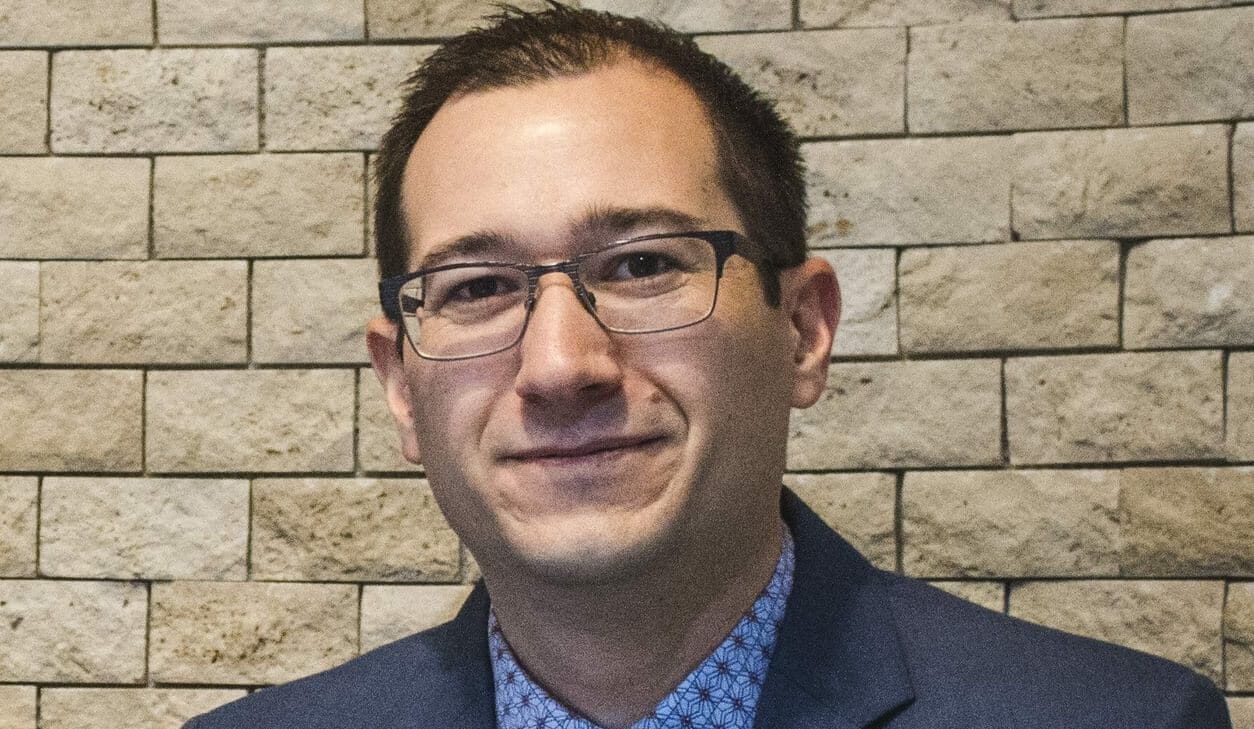
Opinions, Perspectives Opinion: Ben Murane, who heads the New Israel Fund of Canada, argues that while Nakba Remembrance Day may be difficult for Jews, it’s also important By Ben Murane
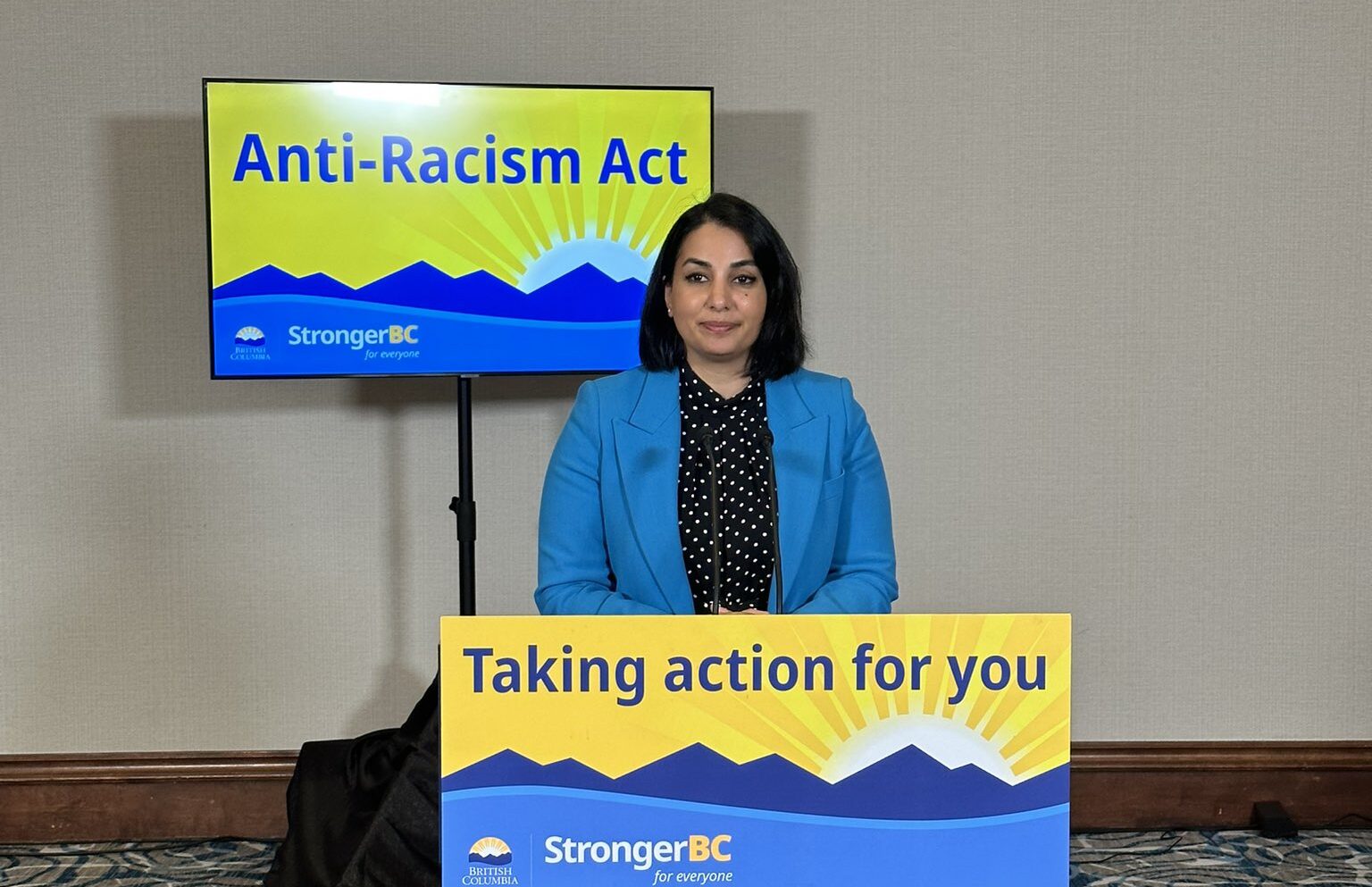
News B.C.’s Jewish community welcomes attorney general Niki Sharma’s new anti-racism legislation—but prompter action is wanted on antisemitism By Sam Margolis
The CJN Daily 20-year-old student Ruby Grinberg wants to be the second-ever Jewish Miss Canada 2024.04.15
News Air Canada cancelled Tel Aviv flights due to the Iranian missile attack—leaving some travellers to seek alternatives, or consider postponing trips By Jonathan Rothman
Culturally Jewish MAID takes centre stage in a new comedy about the difficulty of preparing to die View episodes from Culturally Jewish Subscribe to Culturally Jewish (opens a new window)
Bonjour Chai How bad are smartphones for our kids, really? View episodes from Bonjour Chai Subscribe to Bonjour Chai (opens a new window)
Menschwarmers An ode to Curb Your Enthusiasm, the most Jewish sports show there ever will be View episodes from Menschwarmers Subscribe to Menschwarmers (opens a new window)
Adath Israel and Beth David: a pair of Conservative synagogues in Toronto narrowly decided against becoming one By Jonathan Rothman
B.C.’s Jewish community welcomes attorney general Niki Sharma’s new anti-racism legislation—but prompter action is wanted on antisemitism By Sam Margolis
Air Canada cancelled Tel Aviv flights due to the Iranian missile attack—leaving some travellers to seek alternatives, or consider postponing trips By Jonathan Rothman
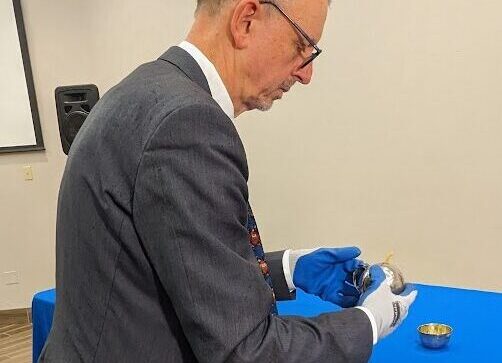
Eighty years after it was stolen, a German curator returned Nazi-looted silver to a museum in London, Ontario By Erin Horrocks-Pope
First-person Aron Heller, a part-Canadian writer living in Israel, on the experience of seeking escapism amid an unprecedented Iranian attack By Aron Heller
Opinions Opinion: Ben Murane, who heads the New Israel Fund of Canada, argues that while Nakba Remembrance Day may be difficult for Jews, it’s also important By Ben Murane
Phoebe Maltz Bovy The 100 years’ ‘Guernica’: Phoebe Maltz Bovy with the latest updates on an antizionist literary implosion By Phoebe Maltz Bovy
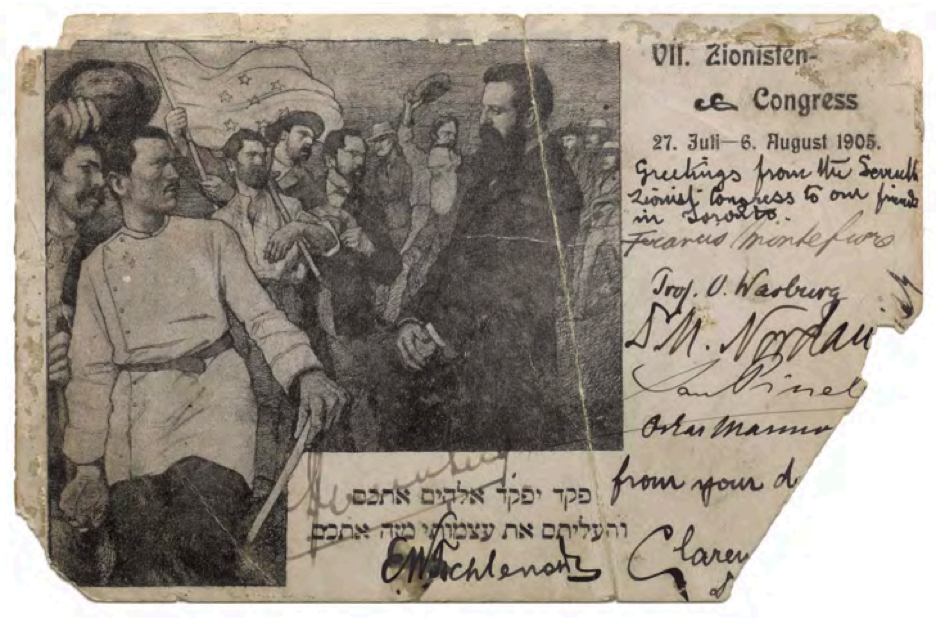
Treasure Trove Treasure Trove: A 1905 postcard from Basel recalls the many Zionist groups and supporters in Toronto By David Matlow